



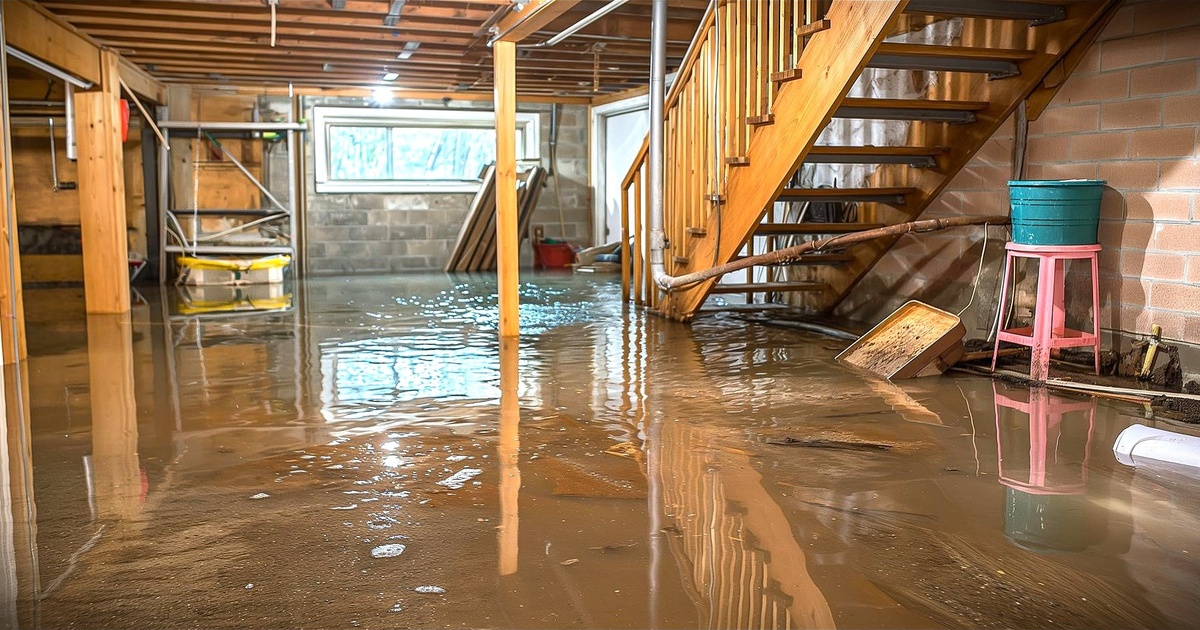
If you own a home in Edmonton, there is a good chance your basement has shown at least one sign of moisture — a damp smell after snowmelt, a white powdery residue on concrete walls, or a small crack that seems to be getting wider every spring. You are not imagining things. Basement waterproofing in Edmonton is one of the most common and most urgent home repair needs in the region, and for good reason.
Edmonton’s unique combination of clay-heavy soil, extreme freeze-thaw cycles, and heavy spring snowmelt creates conditions that are exceptionally hard on residential foundations. Left unaddressed, moisture intrusion leads to structural damage, mould growth, and repair bills that can reach tens of thousands of dollars. The good news is that effective waterproofing solutions exist — and understanding the difference between interior and exterior methods will help you make the right decision for your home and your budget.
This guide breaks down both approaches in plain language, compares costs in Canadian dollars, and gives you a clear framework for deciding which solution your Edmonton home actually needs.
Why Edmonton Basements Are Especially Vulnerable
To understand why basement waterproofing is such a priority in Edmonton, you need to understand what is happening beneath the surface of your yard.
Edmonton sits on a thick layer of Lacustrine clay — a soil type that absorbs water readily, swells when wet, and shrinks and cracks when it dries out. This constant expansion and contraction place enormous lateral pressure on foundation walls throughout the year. According to the National Research Council of Canada (NRC), expansive clay soils are among the leading contributors to residential foundation movement in the Prairie provinces.
Layer on top of that Edmonton’s climate extremes — winters that regularly drop to -30°C followed by rapid spring thaws — and you have a cycle that forces water deep into the soil, then pushes it outward as it freezes and expands. When that water finds a crack in your foundation wall, it follows it inward. Over multiple seasons, even a hairline crack can become a serious water intrusion point.
Homes built before the 1980s face additional risk, as many were constructed without modern drainage membranes or weeping tile systems that meet current Alberta Building Code standards.
Interior Basement Waterproofing: How It Works
Interior waterproofing does not stop water from reaching your foundation — instead, it manages water after it enters the wall assembly and redirects it safely away from your living space. It is the less invasive of the two approaches and is typically less expensive.
Interior Drainage Systems
The most common interior method involves installing a perimeter drainage channel along the base of your basement walls. Water that seeps through the foundation is captured in this channel and directed to a collection point. This system is installed by jackhammering a narrow trench around the interior perimeter of the basement floor, laying a drainage pipe, and covering it with new concrete.
In Edmonton, interior drainage systems typically cost between $5,000 and $12,000, depending on basement size and the severity of the water intrusion.
Sump Pump Installation
Interior drainage systems work in tandem with a sump pump — a submersible unit installed in a pit at the lowest point of your basement. When water accumulates in the collection pit, the pump automatically activates and ejects the water away from your home through a discharge line.
A quality sump pump installation in Edmonton runs between $800 and $2,500, and a battery backup system (essential during power outages during spring storms) adds another $300–$600. Given Edmonton’s storm patterns, a backup is not optional — it is a necessity.
Exterior Basement Waterproofing: The More Comprehensive Fix
Exterior waterproofing addresses the problem at its source by preventing water from ever reaching your foundation wall. It is more disruptive and more expensive, but it is the gold standard for long-term protection.
The process involves excavating the soil around the perimeter of your home down to the base of the foundation — sometimes 8 to 10 feet deep. Once exposed, the foundation wall is cleaned, repaired, and coated with a waterproof membrane (typically a rubberized asphalt or polymer-based product). A new weeping tile system is installed at the footing level to capture and redirect groundwater, and the excavated area is backfilled with clean granular material that drains freely rather than retaining moisture.
Exterior waterproofing in Edmonton typically costs between $15,000 and $40,000 for a full perimeter treatment, depending on home size, soil conditions, and accessibility.
💡 Expert insight: One thing homeowners often don’t realize is that the backfill material used after excavation matters just as much as the membrane itself. In Edmonton, contractors who refill with the original clay soil are essentially resetting the same conditions that caused the problem. Properly graded granular backfill — crushed rock or gravel — is what allows the new weeping tile to actually function. Always ask your contractor specifically what they are backfilling with before signing anything.
Interior vs. Exterior: Which Does Your Edmonton Home Need?
This is the most common question homeowners ask, and the honest answer is: it depends on where the water is coming from and how severe the intrusion is.
Choose interior waterproofing if:
- Water seeps in slowly through the floor-wall joint or minor wall cracks
- Your foundation walls are structurally sound with no bowing or significant horizontal cracking
- Budget is a primary constraint
- You need a faster solution (interior work can be completed in 1–3 days)
- You are managing an older home where full excavation is cost-prohibitive
Choose exterior waterproofing if:
- You have significant water intrusion through the foundation wall itself
- Your foundation shows horizontal or stair-step cracking, which signals structural movement
- Your existing weeping tile system has failed (common in Edmonton homes over 30 years old)
- You are planning a major renovation, and excavation costs can be partially offset
- You want the most permanent, comprehensive solution available
In many cases, a combination approach makes the most sense — exterior membrane and new weeping tile on the most vulnerable sides of the home, paired with an interior drainage system and sump pump as a secondary defence.
Warning Signs You Need Waterproofing Now
Do not wait for a flooded basement to take action. These are the signs Edmonton homeowners should watch for:
- White, chalky residue on basement walls (efflorescence) — indicates water has been moving through your concrete
- Horizontal cracks in foundation walls — a sign of significant lateral soil pressure, require urgent attention
- Musty or earthy smell in the basement, especially after rain or snowmelt
- Rust stains on the floor near the walls — water is consistently present
- Sticking doors or windows — foundation movement caused by soil pressure or moisture damage
- Peeling paint or bubbling drywall in the basement
- Visible water pooling or wet spots on the basement floor after heavy rain or during the spring thaw
Any one of these signs warrants a professional inspection. Multiple signs together mean the situation is likely progressing, and the cost of waiting is higher than the cost of acting now.
How to Choose a Basement Waterproofing Contractor in Edmonton
Not all waterproofing companies in Edmonton are equal. Here is what to look for before you sign a contract:
- Licensing and insurance: Ensure the contractor holds a valid business licence and carries both general liability and workers’ compensation insurance.
- Written warranty: Reputable companies offer transferable warranties of 10–25 years on their waterproofing systems. Get it in writing.
- Local references: Ask for references from Edmonton-area homeowners, specifically local experience with Edmonton clay soil matters.
- No-pressure free inspections: A trustworthy contractor will assess your situation, explain the options, and give you time to decide. High-pressure same-day sales tactics are a red flag.
- Detailed written quote: The quote should specify exactly what is being installed, what materials are used, how the site will be protected, and what the cleanup process involves.
Conclusion
Basement waterproofing in Edmonton is not a luxury — it is one of the most important investments you can make in your home’s long-term structural health. Between Edmonton’s expansive clay soil, brutal freeze-thaw cycles, and aging housing stock, water intrusion is a question of when, not if, for many homeowners.
Interior waterproofing offers an affordable, minimally disruptive solution for managing active moisture. Exterior waterproofing provides the most comprehensive, long-lasting protection for homes with serious or recurring water problems. In many cases, combining both approaches gives Edmonton homeowners the best of both worlds.
If you have noticed any of the warning signs listed above, do not wait until spring snowmelt turns a manageable problem into an emergency. Contact an Edmonton basement waterproofing contractor for a free inspection and get a clear picture of what your home actually needs.
FAQs
Q: How much does basement waterproofing cost in Edmonton?
A: Interior basement waterproofing in Edmonton typically costs $5,000–$12,000. Exterior waterproofing, which involves excavation, membrane application, and new weeping tile, ranges from $15,000–$40,000 depending on home size and site conditions.
Q: What is the difference between interior and exterior basement waterproofing?
A: Interior waterproofing manages water after it enters the foundation by redirecting it to a sump pump. Exterior waterproofing prevents water from reaching the foundation wall by applying a waterproof membrane and installing new drainage at the footing level.
Q: How do I know if my Edmonton home needs basement waterproofing?
A: Key signs include efflorescence (white chalky residue) on basement walls, musty smells, horizontal foundation cracks, sticking doors or windows, and visible moisture or water pooling after rain or snowmelt.
Q: Does Edmonton’s clay soil affect basement waterproofing?
A: Yes. Edmonton’s Lacustrine clay soil absorbs water, swells when wet, and contracts when dry — creating constant pressure on foundation walls. This makes proper waterproofing and drainage especially critical for Edmonton homeowners compared to regions with more stable soil types.
Q: How long does basement waterproofing last in Edmonton?
A: Interior drainage systems with a quality sump pump can last 20–30 years with proper maintenance. Exterior waterproofing membranes, when properly installed, are designed to last the life of the home. Most reputable Edmonton contractors offer transferable warranties of 10–25 years.